FAQs - Synxplus Compression Sleeves

What is the difference between Class 1 and Class 2 medical compression?

Medical compression is classified by pressure level. Class 1 compression sits at 18–21 mmHg and is suitable for mild swelling and general circulation support. Class 2 compression which all SynxPlus compression sleeves deliver sits at 23–32 mmHg and is the clinical standard for more significant conditions including DVT prevention, post-surgical recovery, moderate to severe swelling and conditions like plantar fasciitis, carpal tunnel syndrome and sports injury rehabilitation. The higher pressure of Class 2 compression produces meaningfully better therapeutic results for these conditions and ARTG approval confirms the sleeves meet the required standard for this classification.

Which SynxPlus compression sleeve is right for me?

The right sleeve depends on where your pain, swelling or condition is located:

  • Foot and heel pain, plantar fasciitis or Achilles tendonitisFoot & Ankle Compression Sleeves contoured specifically for the foot and ankle anatomy, suitable for day and overnight wear
  • DVT prevention, swollen ankles or tired legs during travelFlight & Recovery Compression Socks five graduated compression zones from ankle to calf, ideal for long-haul flights, road trips and post-surgery recovery
  • Knee pain, runner's knee, bursitis or meniscus injuriesKnee Support & Compression Sleeves anti-slip silicone dot design for stay-put support during activity
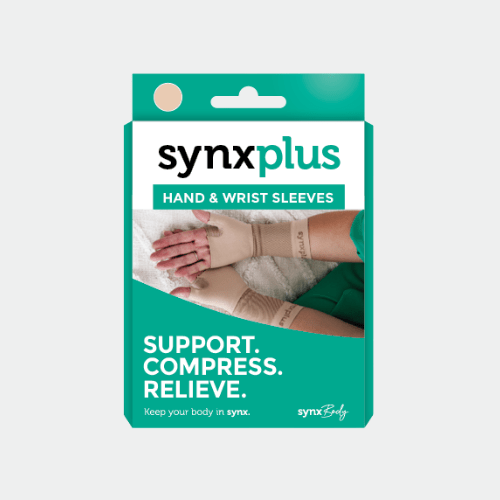
  • Carpal tunnel syndrome, arthritis or wrist painHand & Wrist Compression Sleeves — open-finger design that maintains full dexterity while delivering targeted compression

If you're unsure, contact us and we'll help you find the right product for your specific condition.

Can I wear compression sleeves overnight?
How tight should a compression sleeve feel?

A compression sleeve should feel firm and snug noticeable but not painful. This is the compression working as intended. The sleeve should not cut into the skin, leave deep marks, cause numbness or tingling, or restrict blood flow. If the limb turns blue, white or numb, remove the sleeve immediately it is too tight and you need to size up. A well-fitted compression sleeve feels supportive and gradually becomes less noticeable as you wear it. If you're new to medical compression, it's normal to find the fit feels firm initially most people adapt within the first few wears.

Can I wear compression sleeves during exercise and sport?

Yes, SynxPlus compression sleeves are designed for wear during activity as well as recovery. The Knee Support & Compression Sleeves feature internal silicone dots that keep the sleeve firmly in place during running, training and dynamic movement no slipping, no bunching, no constant readjusting. The Foot & Ankle Compression Sleeves fit discreetly under socks and inside most sports footwear. Wearing compression during exercise reduces muscle vibration, improves circulation during activity and provides joint support that reduces injury risk and wearing them after exercise accelerates recovery by managing the inflammation and swelling that high-intensity training creates.

Medical-Grade Compression That Actually Works

Not all compression is created equal. There's a meaningful difference between a tight sports sleeve and a clinically certified medical compression garment and that difference determines whether you get genuine therapeutic relief or simply a snug fit that does very little.

Every SynxPlus compression sleeve delivers ARTG-approved Class 2 Medical Compression at 23–32 mmHg the clinical standard used by health professionals for managing swelling, improving circulation, preventing DVT and supporting recovery from injury and surgery. Each sleeve is purpose-built for the specific condition and anatomy it treats not a generic product relabelled.

The Right Sleeve for the Right Condition
Foot and ankle pain needs compression contoured to the foot and ankle wearable overnight for continuous plantar fasciitis relief. Knee conditions need compression that stays put through dynamic movement which is why the knee sleeves feature internal silicone dots that grip through every step and every session. Long-haul travel needs five graduated zones working ankle to calf to keep blood moving through hours of immobility. Wrist and hand conditions need targeted compression that maintains full finger dexterity because support shouldn't mean restriction.