Here’s how walking can positively impact your mental health and overall wellbeing:
- Walking helps you live longer
Research shows that every step you take can make a significant difference to your life expectancy. A study presented at the American Heart Association found that walking just 2,000 steps a day can increase your lifespan by up to 32%. Regular walking contributes to better hormone levels, stronger muscles, and improved brain function, all of which are key to living a longer, healthier life.
- Walking gives your brain a boost
The Hippocampus, a critical part of the brain involved in learning and memory, tends to shrink as we age, which can impair memory, and increase the risk of dementia. However, studies have shown that moderate-intensity exercise, such as a daily brisk walk, can actually reverse this shrinkage. By walking regularly, you can enhance your brain's size and functionality, improving memory, and cognitive health as you age.
- Walking improves your sleep
Quality sleep is crucial for learning, memory, decision-making, and creativity, yet around 20% of adults struggle with insomnia. Walking can help improve sleep quality. Morning walks, in particular, are known to increase serotonin levels, which in turn boost melatonin production at night, aiding in better sleep.
Walking with Comfort
To maximise the benefits of walking, it’s important to keep your feet in great condition. Here are some tips to ensure a comfortable and supportive walking experience:
- Regularly wash your feet with warm soapy water, change your socks frequently to keep them dry, and wear shoes that fit well.
- For added support and comfort, consider using insoles like One stop insoles that provide gentle arch support, and reduce stress on your feet and ankles. These can help manage conditions such as plantar fasciitis and various types of foot pain.
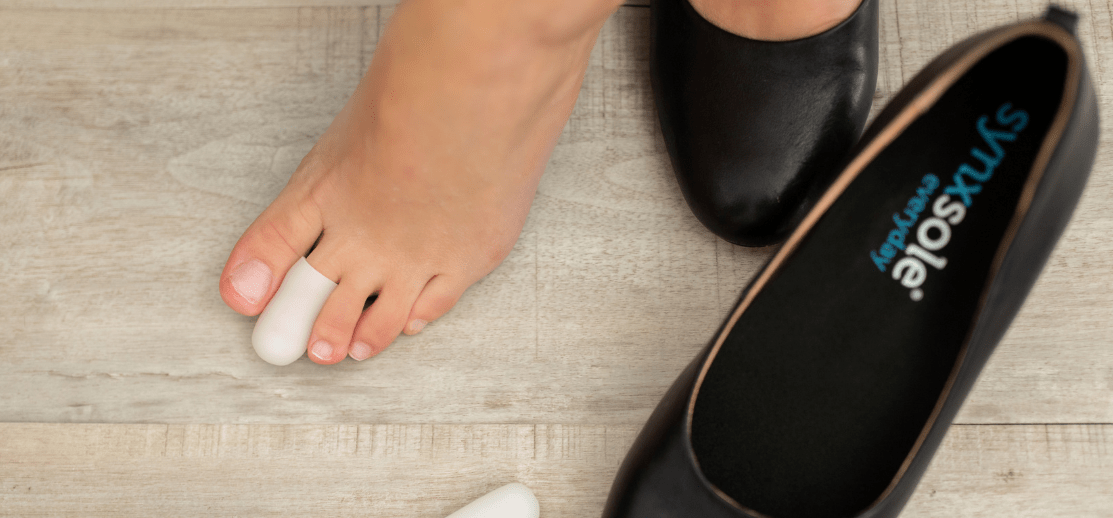
- Cushioning footcare products can offer relief and protection for your feet, making your walks more enjoyable. After walking, a vibrating massage roller can help relieve muscle tension and boost circulation.
- To maintain and clean your walking shoes, use sneaker cleaning wipes and foam. A protectant spray can guard against stains and water damage, while a deodoriser keeps your shoes fresh.
By taking care of your feet and incorporating regular walking into your routine, you can enhance your mental and physical health. Embrace the benefits of walking, and make each step count toward a healthier, happier you.