
If you’re the parent of an active child going through a growth spurt, chances are you may have heard grumblings of heel pain. Calcaneal Apophysitis, or Sever’s Disease, is a common cause of heel pain in children, particularly during early adolescence. Whilst it rarely causes long-term complications, Sever’s disease can last up to two years before resolving completely – but never fear! After years of treating children with heel pain we’ve devised a comprehensive treatment plan for getting your child back on their feet in no time.
What is Sever’s Disease?
Sever’s disease occurs due to the inflammation of growth plate, which is not commonly fused until a child reaches skeletal maturity; with the calf bones often growing faster than the surrounding soft tissue the Achilles tendon can be pulled quite tight, leading to heel pain.
What symptoms should you look out for?
- Heel pain – and/or pain felt around the Achilles tendon
- Pain during Squeeze Test – pain felt upon compression of the heel
- Limping
- Difficulty walking upon rising
- Worsening of symptoms after exercise or activity
- Heel, arch, calf area tender to touch
Contributing factors
- Repetitive stress to the heel bone - common in active children
- Rapid growth - the rapid growth of the leg bone can cause stress and tightness of the Achilles and calf muscle, which can in turn lead to pulling on the heel bone and pain
- Foot type - flat or ‘pronated’ feet more likely to suffer from Sever’s disease
- Footwear - inappropriate footwear for activity
Treatment for Sever’s disease in children
In addition to laser acupuncture, massage, joint mobilization, Chinese silicone cupping and strapping, the most important yet simple and non-invasive treatments for your child’s heel pain is ensuring they wear supportive footwear.
After years of watching children slip in and out of ill-fitting orthotics we’ve devised the following 3 products to prevent heel pain and support your child through the changes their growing feet endure:
- Synxsole Kids – designed to support a range of activities and provide optimal cushioning
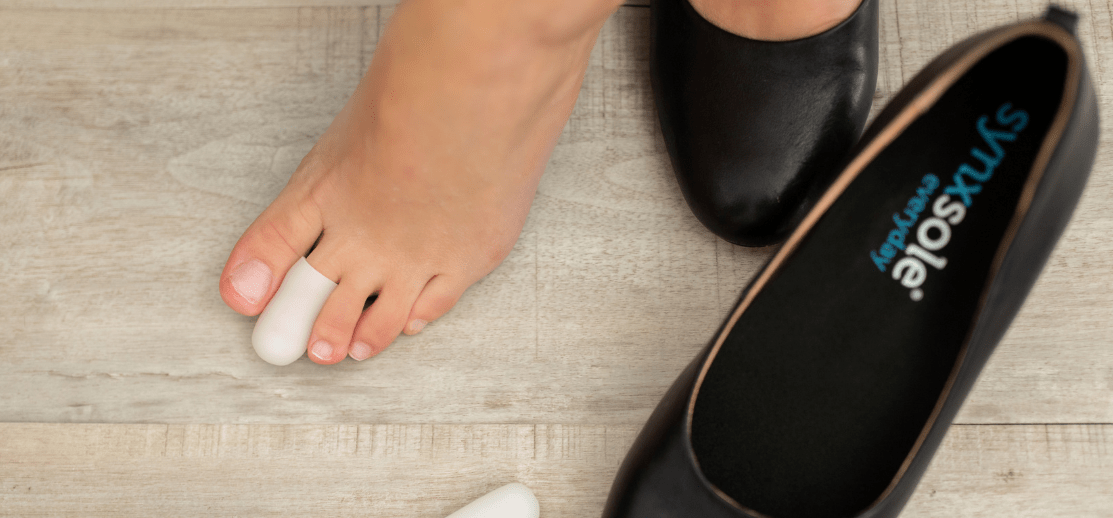
- Gel Heel Cups – offer superior cushioning and shock absorption
- Synxsole Trigger Point Massage Ball – helps reduce muscle tightness