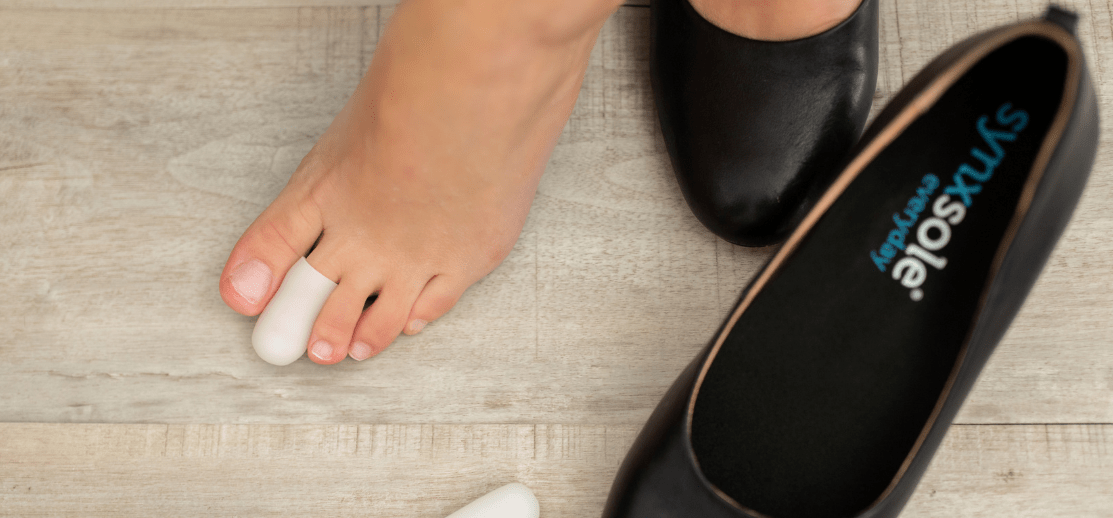

Burning Feet Syndrome is quite a common foot complaint which affects the joints of the foot, particularly around the balls of the feet, bottom of the arches and the toes.
Burning feet relates to the sensation that one or both feet are burning hot and can be accompanied by tingling, warm or red skin around the foot, numbness in the feet or legs, sharp or stabbing pains, or dull aches in the feet.
Thankfully there are quite a few different types of treatments that can help ease and relieve these symptoms.
What causes Burning Feet Syndrome?
Burning Feet Syndrome can occur as an isolated issue or as a symptom of another condition.
The most common causes of burning feet can include:
- Conditions such as Morton's Neuroma, tarsal tunnel syndrome, or even skin conditions such as athlete’s foot.
- Corns, callus and thickened skin that usually develop to protect your joints.
- Overuse - muscles and ligaments can increase in size and become tight and spasmed due to increased contraction. This can be more prevalent in high arches or flat feet.
- Sometimes our feet can be inflamed from just wearing the wrong shoes such as high heels affecting the distribution of weight on your feet or unsupportive shoes which cause muscles to work harder resulting in burning under the balls of our feet.
- Sometimes hereditary factors can play a part in developing burning feet
Some people report worsening symptoms at night – mainly due to the fact that when you stop moving and put your feet up, the cells and fluid travel to the area to start the recovery process which can result in increased pain, tingling and burning due to increased pressure against the nerves and other structures. Another possible reason for pain worsening at night can be due to the fact that when we are busy and active during the day, our mind is on many tasks at once and painful symptoms can be missed until we stop and take notice.
How is Burning Feet Syndrome diagnosed?
When diagnosing Burning Feet Syndrome, the idea is to try and gauge the intensity and frequency of the symptoms.
Typically, you can speak with your doctor, podiatrist or other medical professional – they will ask you about your medical history, including any physical symptoms you have and medications that you are currently taking. He or she will test your reflexes and examine your feet for signs of infection, injury, or other problems.
Your doctor may arrange for some blood tests to measure your blood glucose level or screen for nutritional deficiencies or endocrine disorders.
You may also require some nerve function tests, which are electrodiagnostic tests to look for nerve damage.
How to treat burning feet symptoms – 10 top tips
Treatment depends on the underlying causes and / or conditions.
These are some of the best ways we recommend to treat Burning Feet Syndrome:
- Epsom salt foot baths.
- Massage, either a foot massage or by rolling your feet over a spikey ball or a frozen ice water bottle.
- Forefoot cushions can help alleviate pressure under the ball of the foot and reduce strain, offloading the area can be very beneficial in relieving painful symptoms.
- Joint mobilisation to improve range of motion in the foot and ankle.
- Dry needling to release tightness in muscles and tendons.
- Laser therapy to reduce pain, swelling and promote healing
- Over-the-counter pain medicines as well as creams, such as a natural pain relief cream
- Wearing supportive shoes that have a firm heel counter and flexible toe box and adequate room to move your toes freely.
- Class 2 compression sock to reduce pain and swelling in the foot.
- Everyday insoles to reduce muscle stress.

Please note: If symptoms persist, we recommend visiting your health professional for appropriate assessment and treatment.
Looking for help to manage Burning Feet Syndrome?
You can watch this video about burning feet for more information.
Synxsole Insoles can help to reduce strain and pressure around the structures of the foot and ankle, which in turn can help to reduce compression of nerves and tissue, thus reduce the burning symptoms. Synxplus Foot and Ankle Sleeves and Synxgeli Gel Forefoot Cushions may also provide some relief by providing compression to the foot.
You may also like to try our Synxgeli Toe Crests which elevate the toes and relieve any pressure under the tips of the toes reducing burning pain symptoms.