Watch On:


If you’ve ever been told “it’s just a bunion” or “learn to live with the pain”, this conversation may completely change how you see your feet.
I recently sat down with Dr. Hartley Miltchin known as "The Bunion King", to talk about bunions, hammertoes, plantar fasciitis, heel pain, and why so many people suffer far longer than they need to.
With 44 years of experience in podiatry, Dr. Hartley is internationally recognised for his pioneering work in bunion surgery performed without anaesthesia or incisions. Yes really. And the entire procedure can take less than 20 minutes.
This wasn’t just another medical chat. It was eye-opening, practical, and a little controversial (in the best way).
So… what actually is a bunion?
One of the biggest takeaways from our conversation is that most people misunderstand bunions entirely.
A bunion isn’t just a bump it’s a structural deformity of the foot. That bump you see is only the symptom, not the problem. Dr. Hartley explains how bunions develop, how to tell if you truly have one, and why waiting for pain before taking action is often a mistake.
Key insight:
By the time a bunion hurts, the damage has usually been progressing for years.
What happens if you ignore bunions?
According to Dr. Hartley, ignoring bunions doesn’t just mean living with foot pain it can trigger a domino effect throughout the body.
Left untreated, bunions can contribute to:
- Chronic foot and toe pain
- Hammertoes and joint stiffness
- Altered walking patterns
- Knee, hip, and lower back issues
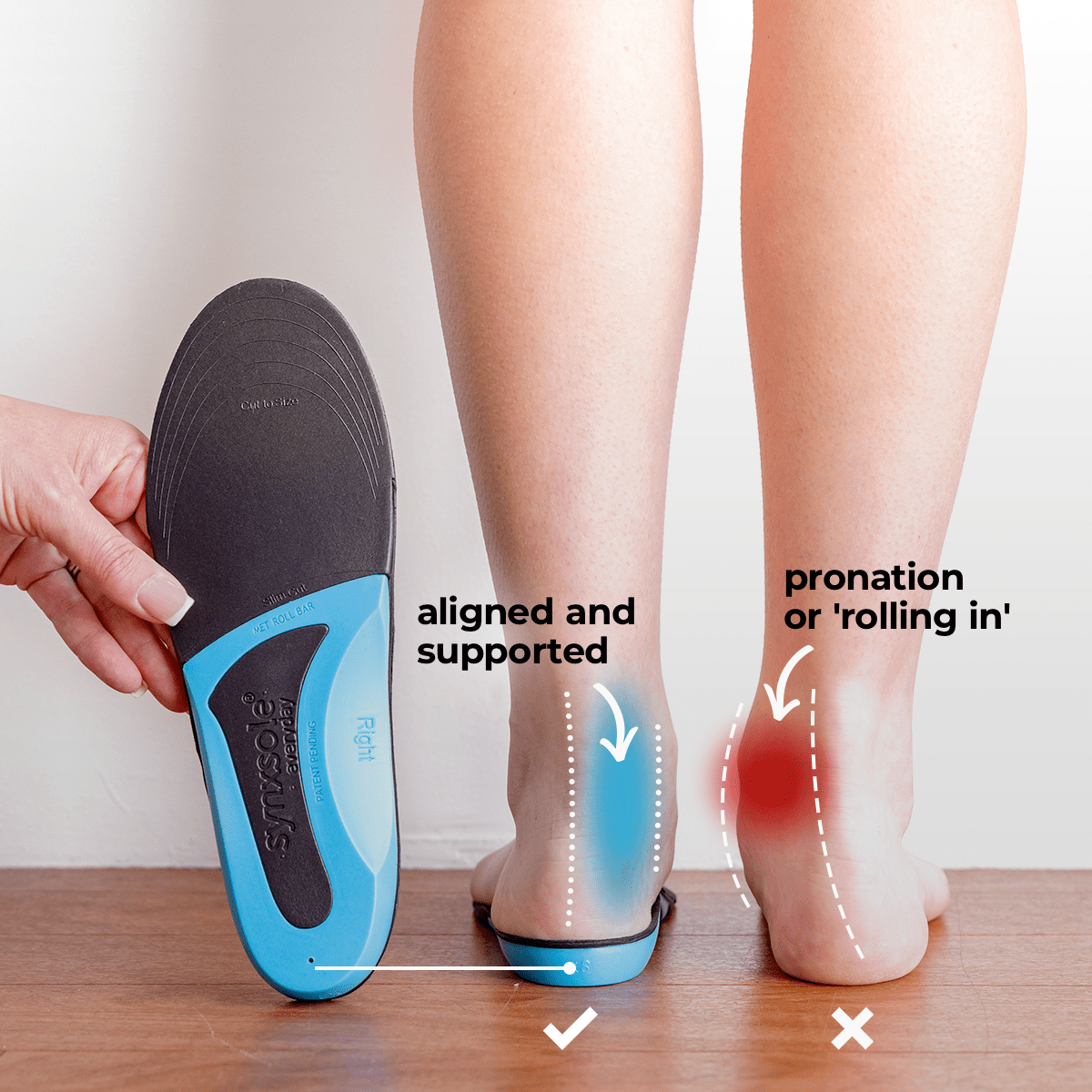
In short: your feet are your foundation. When they’re out of alignment, everything above them compensates.
Common mistakes that quietly make bunions worse
This part of the conversation surprised me the most.
Some of the most common “solutions” people rely on tight footwear, poorly designed orthotics, or simply pushing through the pain can actually accelerate bunion progression.
Dr. Hartley breaks down:
- Why certain shoes sabotage your feet
- How ignoring early signs leads to bigger problems
- What people should stop doing immediately if they want relief
REAL minimally invasive bunion surgery (and why it matters)
Not all “minimally invasive” surgeries are created equal.
Dr. Hartley explains what real minimally invasive bunion surgery actually looks like and why his technique doesn’t require:
- General anaesthesia
- Large incisions
- Lengthy recovery times
In many cases, the procedure is completed in under 20 minutes, with patients walking shortly after.
So why isn’t this approach more widely used?
Why minimally invasive foot surgery is misunderstood
One of the more candid moments in our discussion focused on the podiatry industry itself.
Dr. Hartley shares why many practitioners:
- Aren’t trained in true minimally invasive techniques
- Rely on outdated surgical models
- Overlook patient-first solutions
And what he believes needs to change to improve outcomes for patients worldwide.
Relief options for heel pain, plantar fasciitis & hammertoes
Bunions aren’t the only issue Dr. Hartley tackles.
We also cover:
- Practical options for plantar fasciitis relief
- What actually works for heel pain
- How hammertoes develop and when intervention matters
His approach is refreshingly straightforward: treat the cause, not just the symptom.
Want more of Dr. Hartley? Check him out here:
-
Instagram: @thebunionking @accentonfeet
Click here for Podiatrist-Recommended Burning Feet Essentials
 |
Gel Bunion Sleeves |
 |
Gel Bunion Shields |
 |
Bunion Relief Pack |
If you have any burning questions and want me to answer them, join us on our Facebook page - SynxBody Squad! We do everything from Weekly Q&As, health, wellness and fitness tips as well as exclusive first looks at our new products (with the opportunity to test and review!) Click here to join.
Ready to take a step in the right direction and look after future you? Check out the products that will keep your body in Synx here - www.synxbody.com