What is it?
Morton’s Neuroma is a painful condition affecting the ball of the foot, where the tissue surrounding one of the nerves that leads to your toes thickens, causing a sharp burning pain in the ball of your foot and impacting your toes by making them sting, burn or feel numb.
The condition commonly develops between the third and fourth toes and can feel like you are standing on a marble in your shoe, a tingling or numbness in your toes or a burning pain in the ball of your foot, which might radiate into your toes.

What causes it?
While high heels have been recognised as one cause of Morton’s Neuroma, it’s not the only cause as it often occurs in response to irritation or injury to a nerve. Women are 8 to 10 times more likely to experience the condition due to footwear.

How can it be treated?
There are a number of ways to treat Morton’s Neuroma, which can include:
- Changing your footwear. Try to avoid wearing tight shoes and high heels, instead wearing footwear with a softer sole that is wider to allow the bones to spread out and may also help reduce the pressure on the nerve.
- Icing the area to help reduce swelling.
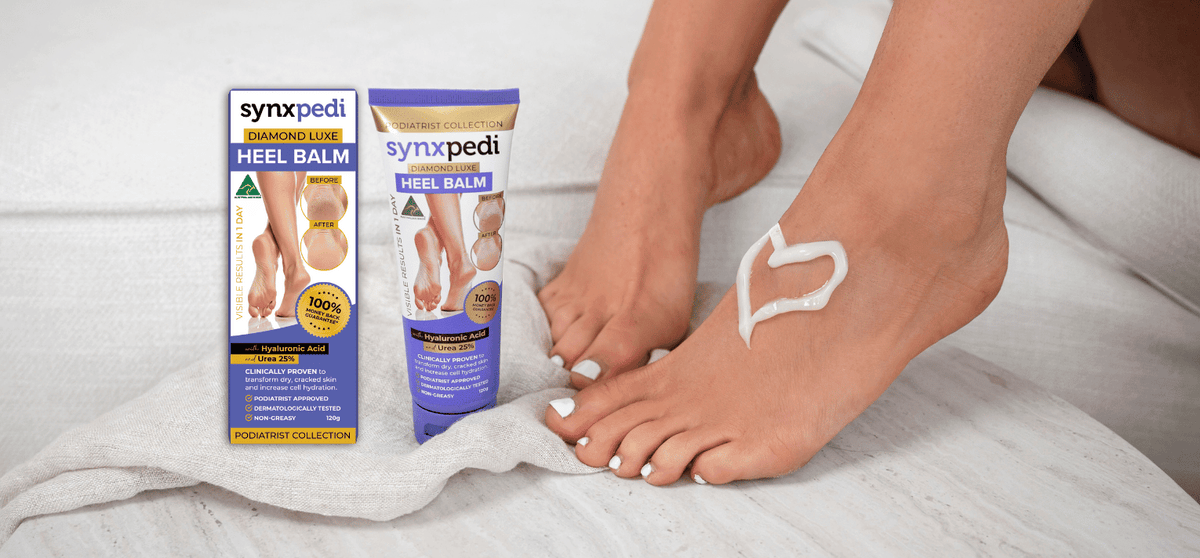
- Topical creams may help reduce pain and swelling, including massaging the ball of foot and calf muscles.
- Soft tissue treatment. Dry needling, joint mobilisation and laser therapy are effective treatments to help reduce inflammation and pain around the neuroma.
- Footcare products from the SynxBody range can assist in reducing painful symptoms. See below for further details.
- Cortisone and nerve ablation injections by your radiologist can significantly help reduce pain and swelling around the neuroma.
- In severe cases, surgery may be needed to remove the Morton’s Neuroma.
What SynxBody products can help with Morton’s Neuroma?
-
Synxgeli Gel Forefoot Cushions help to protect the ball of the foot from unwanted stress by cushioning and elevating the toe joints, providing comfort and pain relief.

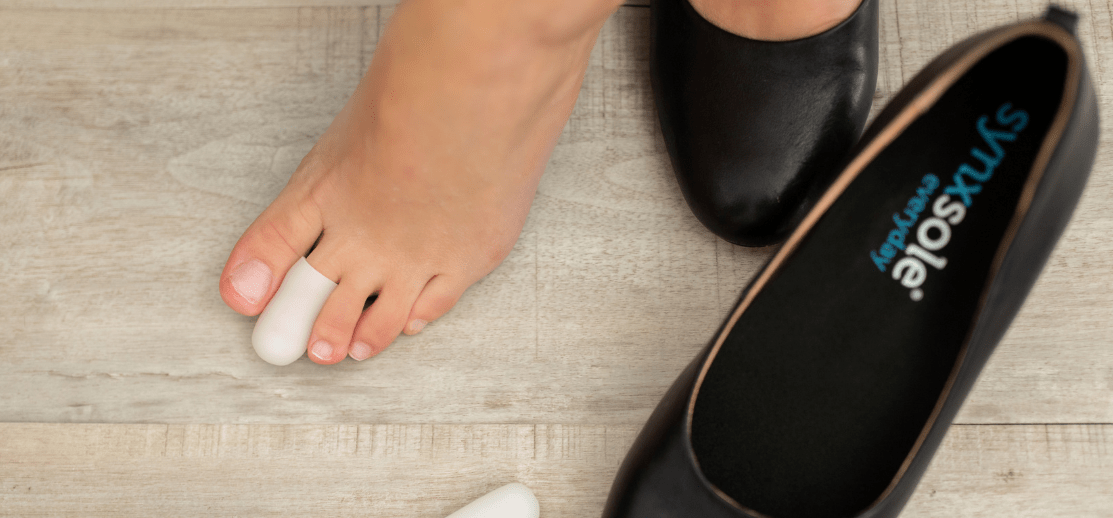
- The Synxgeli Gel Toe Crests cushion, protect and relieve soft tissue, bones and joints against unwanted stress, which can assist in relieving the pain caused by Morton’s Neuroma.

- The Synxplus Foot & Ankle Sleeve is a Class 2 Compression Stocking and can provide relief from swelling and inflammation.

- Synxsole Insole can assist in providing the support needed to reduce pressure and compression on the nerve.

It’s important to seek professional advice from a medical professional for any foot pain you might experience but particularly if there is a burning pain in the ball of your foot that is showing no sign of improvement.