Flat feet, also called fallen arches, are incredibly common, yet often misunderstood. If you’ve ever noticed your whole foot touching the ground when you stand, or your shoes wearing out faster on the inside heel, you might be part of the flat-feet club (you’re definitely not alone).
Let’s break it down in a way that actually makes sense and more importantly, helps you feel better on your feet.
What Are Flat Feet, Exactly?
Flat feet happen when the arch on the inside of the foot is lower than usual or collapses when you stand. When weight is placed on the feet:
- The arches flatten
- The feet may roll inward
- The toes can point outward
- The entire sole touches the ground
For many people, flat feet are completely painless and don’t require treatment. For others, they can cause discomfort that creeps into daily life.
Is It Normal to Have Flat Feet?
Absolutely, especially in babies and young children. Their arches haven’t developed yet, and most grow out of it naturally as they get older.
Some children have flexible flat feet, meaning:
- An arch appears when sitting or standing on tiptoes
- The arch disappears when standing normally
Most children outgrow this without any issues.
Adults, however, can also develop flat feet later in life, even if they once had normal arches.
What Causes Flat Feet?
Flat feet can develop for many reasons, including:
- Normal childhood development
- Family history
- Injuries to the foot or ankle
- Aging and wear-and-tear
- Obesity, which increases pressure on the feet
- Tight muscles or tendons
- Health conditions such as: Rheumatoid arthritis, Diabetes, Ehlers-Danlos syndrome, Cerebral palsy, Muscular dystrophy
Over time, the tendon that supports the arch (along the inside of the ankle) can weaken or tear, leading to a gradual collapse of the arch.
Symptoms: When Flat Feet Cause Problems
Many people never experience symptoms. But for some, flat feet can lead to:
- Foot, heel, or arch pain
- Tired or aching legs after activity
- Swelling along the inside of the ankle
- Stiffness in the feet or ankles
- Uneven shoe wear (especially inner heels)
- Knee, hip, or lower back discomfort
- In children: frequent tripping or falling
Pain often worsens with walking, running, or standing for long periods.
Managing Flat Feet: Simple Steps That Make a Big Difference
While you can’t always prevent flat feet, you can manage symptoms and stop them from getting worse.
Flat feet support is not just about footwear, it’s about reducing pain, improving alignment, and helping your feet function more comfortably every day. While flat feet can’t always be prevented, the right support can help manage symptoms, reduce strain, and slow progression over time.
Supportive Footwear: Wearing supportive footwear is one of the most important steps in managing flat feet. Shoes with firm soles and built-in arch support help control over-pronation, improve stability, and reduce stress on the feet, ankles, knees, and lower back. Avoid thin, flexible, or unsupportive shoes for daily wear, especially if you spend long hours standing or walking.
Orthotics & Insoles for Flat Feet Support: Orthotics and insoles provide targeted flat feet support by helping lift and stabilise the arch, improving foot alignment and reducing pressure through the foot and ankle. Podiatrist-recommended Synxsole One Stop Insoles use patented technology to gently support the arch and may help manage common flat feet related conditions such as plantar fasciitis, heel pain, ankle pain, knee pain, leg fatigue, and lower back discomfort. They are suitable for everyday use, particularly for people who are on their feet for extended periods.
Flat Feet Support for Children: Children with flat feet often benefit from early, gentle support during growth and development. Synxsole Insoles for Kids, with their award-winning design, are made to support developing arches without restricting natural movement. They may assist with flexible flat feet, Sever’s disease, growing pains, arch pain, heel pain, knee pain, and leg pain, helping children stay active and comfortable as they grow.
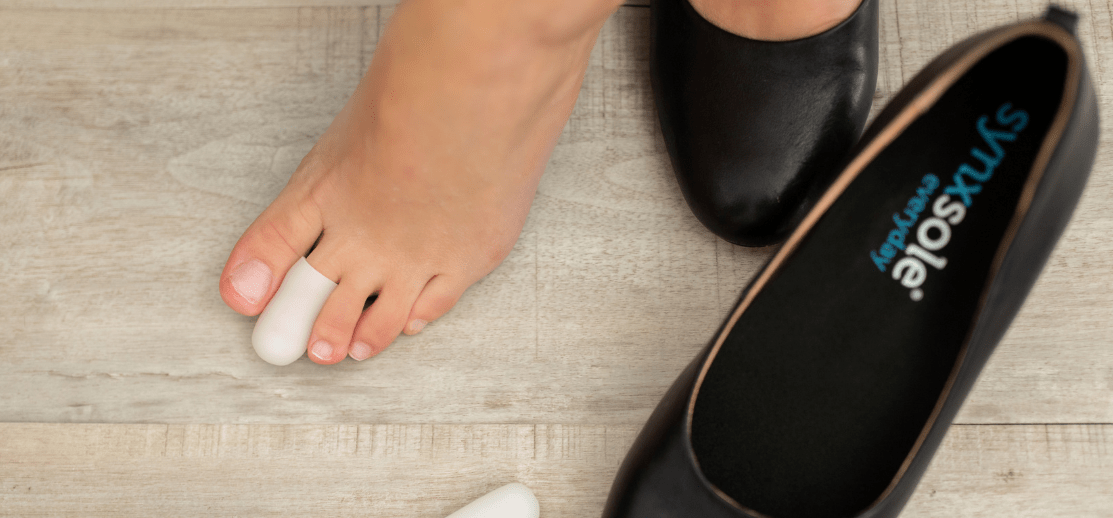
Arch Support for Flats and Dress Shoes: When full-length insoles are not suitable, such as in flats, dress shoes, or dance shoes, Gel Arch Pads offer discreet arch support. These pads help distribute pressure more evenly across the foot, absorb shock, and reduce discomfort associated with flat feet and fallen arches, without overcrowding the toes.
Compression Support for Flat Feet Pain: Flat feet can contribute to foot, ankle, and lower-leg discomfort due to poor alignment and muscle fatigue. Synxplus Foot & Ankle Compression Sleeves provide medical-grade compression to help reduce swelling, improve circulation, and support faster recovery. Designed for all-day or overnight wear, these ARTG-approved Class 2 medical compression sleeves deliver 23–32 mmHg compression for effective flat feet support and pain relief.
Heel Support for Flat Feet Related Discomfort: Heel pain is common in people with flat feet due to increased pressure and altered foot mechanics. Synxgeli Gel Heel Cushions provide targeted cushioning and shock absorption under the heel and around the Achilles tendon. They may assist in managing heel pain, plantar fasciitis, Sever’s disease, heel spurs, and Achilles tendinopathy, especially for people who stand or walk for long periods.
*Disclaimer: If your condition worsens or you experience significant pain, please consult a healthcare professional. Before using any foot support or orthotic product, always read the label and follow the instructions for safe use.