

Hot flushes, sleep changes and mood shifts are widely recognised symptoms of menopause. But one part of the body is rarely discussed in this transition? Your feet.
Yet our feet carry us through thousands of steps every day, supporting our entire body weight and keeping us active. When hormonal changes occur during menopause, they can affect more than just how we feel; they can also impact the structure and comfort of our feet.
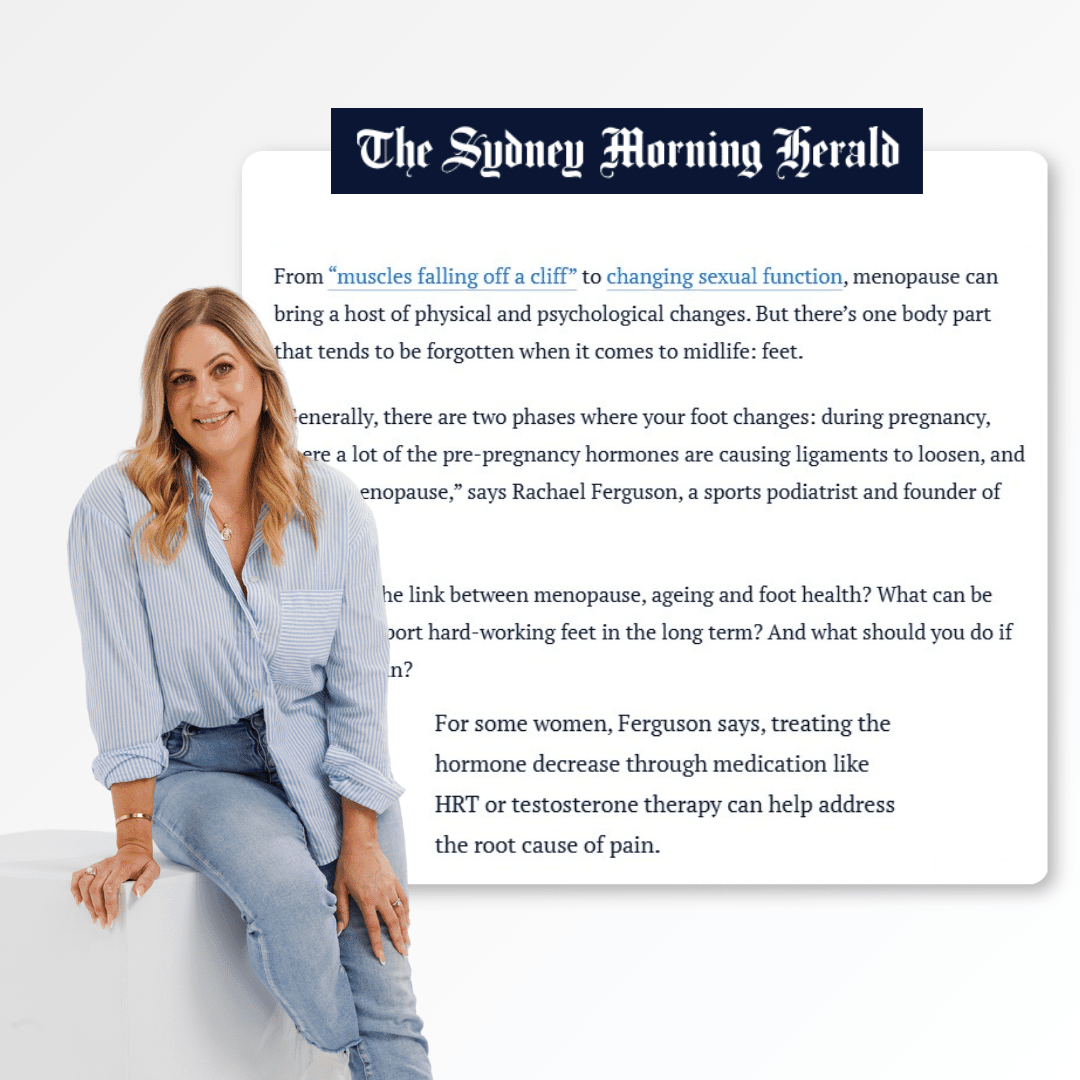
In a recent Sydney Morning Herald article, SynxBody CEO and sports podiatrist Rachael Ferguson highlighted the lesser-known ways menopause can influence foot health.
“Our feet carry us through thousands of steps every day, yet they’re often the most overlooked part of the body when it comes to health and wellness,” Rachael explains.
Understanding these changes is an important step toward staying active, comfortable and confident through midlife and beyond.
Why Menopause Can Affect Your Feet
Our feet are complex structures made up of 26 bones, 33 joints and more than 100 muscles, tendons and ligaments. Throughout our lives they absorb enormous stress, and hormonal shifts can alter how these structures function.
According to podiatry experts, there are two key life stages when significant foot changes can occur:
- Pregnancy, when hormones loosen ligaments
- Menopause, when hormone levels decline
During menopause, the body experiences a reduction in collagen and elastin, which help maintain the strength and flexibility of connective tissues. As these proteins decrease, the structure of the foot can change.
This may lead to:
- Flattening of the arch
- A wider foot shape
- Reduced stability
- Increased risk of heel pain or plantar fasciitis
Many women start experiencing new foot discomfort during menopause without realising hormonal changes could be contributing.
Other Foot Symptoms Linked to Hormonal Changes
Hormonal fluctuations can influence more than just the structure of the foot.
Some women may experience:
Dry skin and cracking: Declining collagen levels can affect the skin on the feet, causing dryness or fissures.
Burning sensations: Hot flushes don’t always stop at the face or chest. Some women feel them in their feet, especially at night.
Increased aches and pains: More than 70% of people going through menopause experience musculoskeletal pain, which can include the feet.
If discomfort causes reduced activity, it can create a cycle where less movement leads to further stiffness and weakness.
How to Support Your Feet Through Menopause
Looking after your feet during menopause involves a combination of strength, support, recovery and skin care.
1. Maintain strength and stability
Weight-bearing exercises such as squats and resistance training help maintain bone density and muscle strength, which support the feet and lower limbs.
Supportive footwear and cushioning can also reduce pressure on sensitive areas of the foot.
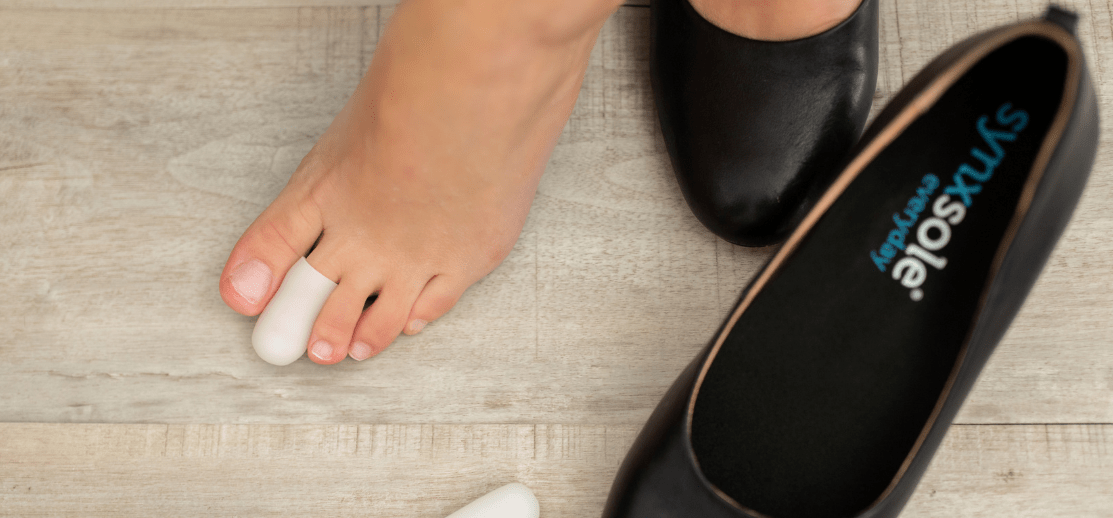
For additional support, SynxBody’s Synxsole Plantar Fasciitis and Arch Support Insoles are designed to help relieve pressure associated with plantar fasciitis, arch strain and heel pain, providing stability and shock absorption during everyday activities.
For targeted cushioning, Synxgeli Gel Heel Cushions can help absorb impact and reduce stress on the heel with every step.
2. Care for dry or cracked heels
Hormonal changes can cause the skin on the feet to become dry, thickened or cracked. Regular foot care can help keep skin healthy and prevent discomfort.
Tools like the Synxpedi 3-in-1 Electric Foot Polisher gently remove callus and hard skin while also smoothing nails, helping restore softer, healthier feet at home.
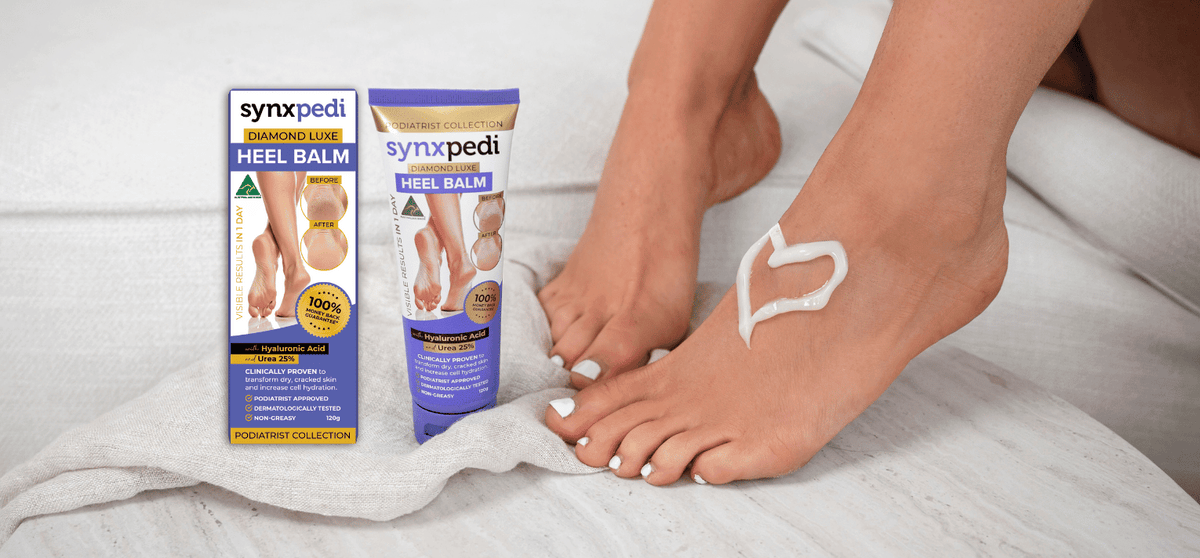
For deep hydration, the Synxpedi Diamond Luxe Heel Balm helps nourish dry, cracked heels, while the Synxpedi Miracle Foot Mask Kit provides an intensive treatment to exfoliate and rejuvenate tired skin.
3. Improve circulation and relieve muscle tension
Massage and recovery treatments can help relieve aching feet and support circulation particularly helpful for women experiencing muscle soreness or burning sensations.
The SynxBody RelaxaPulse Portable Vibrating Massage Roller, designed with 90 acupressure points, helps stimulate blood flow, release tension and promote faster muscle recovery.
For quick relief on the go, Synxeaze Sports Massage Magnesium Roll On can help relax tight muscles and ease soreness in the feet and lower legs.
4. Keep your feet mobile
Simple daily exercises can help maintain flexibility and strength in the feet.
One example is the “towel scrunch” exercise, placing a towel on the floor and using your toes to scrunch it toward you. This helps strengthen small foot muscles that support balance and stability.
Rolling the foot over a frozen water bottle can also help relieve heel pain and inflammation.
Don’t Ignore Foot Pain
Foot discomfort during menopause is common, but it shouldn’t be ignored.
“Many women start experiencing new foot discomfort during menopause without realising hormonal changes could be contributing,” says Rachael Ferguson.
Taking a proactive approach with strength training, supportive footwear, regular foot care and recovery tools can make a significant difference in maintaining comfort and mobility.
After all, healthy feet help keep you moving confidently through every stage of life.
Continue Reading
The conversation around menopause and foot health is only just beginning. Raising awareness of these changes can help women recognise symptoms earlier and take proactive steps to protect their mobility and wellbeing.
As highlighted in the Sydney Morning Herald, menopause can bring a wide range of physical and psychological changes from muscle loss and joint pain to shifts in sexual function and energy levels yet feet are often the most overlooked part of the body during midlife.
Starting the conversation around these changes is an important step in helping women stay active, comfortable and confident at every stage of life.
Read the full article here:
https://www.smh.com.au/lifestyle/health-and-wellness/the-common-but-little-known-way-menopause-affects-your-body-20260304-p5o7j7.html




Share:
Flat Feet: What They Are, Why They Happen & How to Stay Comfortable
Corns, Calluses & Blisters? A Podiatrist Explains Why